
By Andrew Clunis
There is a delightful series on Netflix called The Rookie. You should watch it. There is so much to learn about patrol policing and the use of body worn cameras. Fiction it may be but usually a lot of fact-based research goes into the script writing. Surely there were many experienced consultants who would have worked on such a show to make it as authentic as possible.
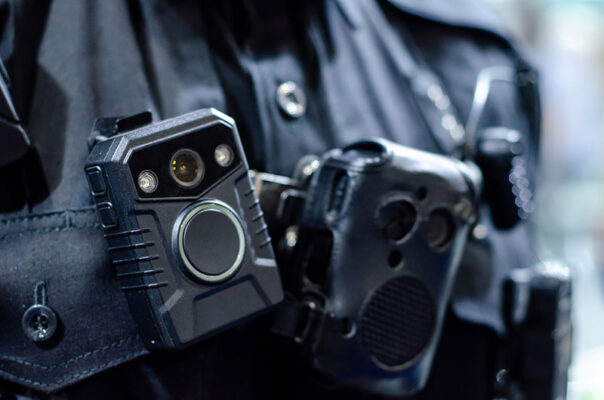
In the show, whenever police officers prepare to go on patrol or operations one of the first things they must do is check out their body worn cameras. It is like part of the uniform. You see, body worn cameras not only record accurate details of police interaction with the public, they also serve to absolve police officers who might be wrongfully accused of infractions and that makes life easier for all involved.
The Jamaica Constabulary Force recently acquired 1000 body worn cameras to be deployed to different sections of the force. 1000 Is still way shy of the mark because the overall requirement is for somewhere in the region of 8000. It is going to take some doing to get there but with perseverance and will, it can be done.
The receipt of the cameras is music to the ears of Indecom Commissioner Hugh Faulkner who has been beating the drum for years now.
He said: “Indecom welcomes reports that the police have acquired these cameras. A special report entitled Special Operations which was published in October 2025 showed that for the first seven moths of 2025, 97 persons were killed in police planned operations. This number represented 51 percent of the 190 fatalities for the same period. In any cases we only have the police’s account of the incidents and in others we have totally differing views from witnesses. Body worn cameras are thus necessary as an inescapable tool of law enforcement conduct. Body worn cameras could play a critical role in evidencing circumstances leading to a fatal confrontation and the confrontation itself. Body worn cameras offer no inhibition to the execution of law enforcement duties.”
Faulkner is right but one gets the impression that individual police officers and even some in the leadership ranks are opposed to the use of body worn cameras. Officers should be mandated. It is good that the police are making major dents in murders but this must be done lawfully or we are headed for a society of chaos and confusion.
What is most disconcerting about the whole thing is that the delay in acquiring the cameras was not for a lack funding. It’s this gorilla that exists in the corporate world called procurement. It is stifling the government’s efforts to be able to execute many of its plans in order to implement policies. Just look at the shameful situation that pertains in the justice system with dilapidated facilities that are not being attended to while millions of dollars earmarked for improvements are returned to the consolidated fund every financial year. This is all down to roadblocks and hurdles in procurement.
It is rather frustrating but it is not good enough for the government to simply blame the procurement process. What are they doing about it? They must take responsibility. It requires a joint select committee of the parliament to sit together and examine the rules, iron out the kinks and remove or reduce the roadblocks and hurdles.
Sure, there must be checks and balances because people can’t be trusted, especially when it comes to expending government funds. Some fingers are a bit too sticky but our lawmakers, the honest ones, must be able to contrive a system in which accountability and compliance still stand but we can get things done at a faster pace.
Outfitting the operational arms of the force with body worn cameras is achievable but at this pace we won’t get there until the end of the decade, maybe.