
The honeymoon is over.
After a decade of no new taxes finance minister Fayval Williams has been forced to dip into people’s pockets once again to try and finance the $1.44 trillion budget revealed in the House of Representatives last week.
The details are yet to come but one measure that has caught the glare of the public, is the tax on sweetened soft drinks which will hit parents with children of school age hard.
Health Minister Dr. Chris Tufton is welcoming that tax saying it will have an impact in the fight against non communicable diseases such as diabetes and hypertension. But will those who have to pay see it that way?
The Government is projected to earn approximately $29.439 billion in fiscal year 2026/27 from the new tax measures.
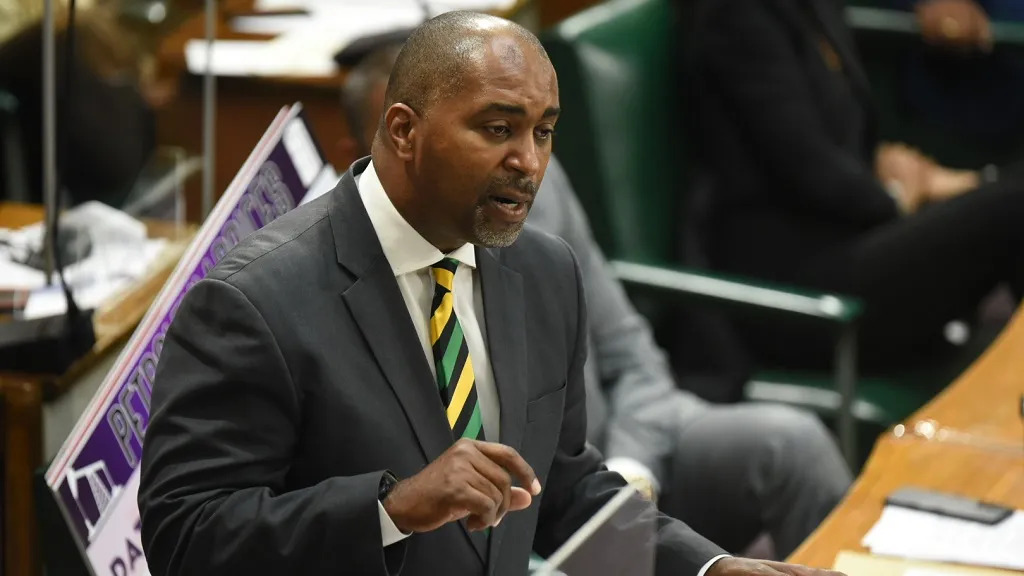
Opposition spokesman on Finance Julian Robinson says there is a better way to get the money other than introducing new taxes. “We are concerned that the imposition of taxes coming immediately after the hurricane will hurt the poor and working class the most.
“The tax on sugary drinks will not change behavior but only increase the cost of living for the most vulnerable. If the Govt wants to change behavior, it should provide incentives for producers to manufacture drinks with lower sugar content. It could also ban drinks that have very high sugar content.”
He added: “The increase in the environment levy will cause the cost of goods and services to increase as businesses will pass on these costs to the consumers.”
He also feels that the government should stop dipping into the coffers of the National Housing Trust to finance its spending plans. “The continued extraction from the NHT is depriving working Jamaicans of an opportunity to purchase their own homes. There is very little prospect for working and middle class Jamaicans to buy a home as the market is currently focused at the high end. The role of NHT is to fill that gap but the continued extraction of 11.4BN over the last 10 years means it has been unable to do so.”
He said the Government needs to focus on increasing tax compliance and ensuring that those who should pay are doing so, versus adding new taxes. There was a recent news story of used car dealers who were assessed and found to have tax liabilities of over $4BN.
“That demonstrates that there is much more money out there that can be collected.
The Govt also has to proactively put in place measures to drive growth.
Our growth rate for the last 10 years has averaged just over 1% and without growth we wont have the tax revenues to pay for the services,” Mr Robinson said.
Of course we will hear more on just how the government plans to do this but one area that requires urgent clarification is the proposed tax on digital services. How will this be implemented and how will the government collect. Does it mean that Jamaicans will have to pay more for digital entertainment such as Netflix and Spotify? If so, how will this tax be collected? Will it see the government getting into arrangements with these international companies and where do the local carriers Digicel and Flow fit in?
The JLP is still in the very early days of its third term in office so it has the luxury of being able to impose new taxes at this time.
But is this a sign of things to come?
There was a time in this country when the people were so burdened by taxes that they could barely make ends meet. Surely we don’t want to see a return to those days but the budget has to be funded and the government sees it fit to go to the people at this time. It is not risky because a general election is four and a half years away.
While growth has remained anemic, the macro economy has remained stable with Jamaica's debt-to-GDP ratio falling significantly from over 147% in 2013 to approximately 62.4% - 68.7% for the 2024/2025 fiscal year.
The country is on track to reach its mandated target of 60% by 2027-2028. This sharp, consistent reduction is driven by strict fiscal discipline, resulting in increased international confidence and positive economic outlooks.
And the country’s Net International Reserves reached a record high of approximately US$6.7 billion by the end of January 2026, driven by strong foreign exchange inflows.
This represents a significant increase from over US$6.27 billion reported at the end of December 2025, providing strong support for the local currency and over 30 weeks of import cover.
So the macro-economic picture looks good. Jamaica has been consistently getting good grades from the leading ratings agencies and that puts it in good stead if funding any shortfall in the budget should lead to the contemplation of borrowing.
While we watch the taxation developments with eagle eyes we should be thankful that borrowing is a last resort.
It is important that as the government asks the people to pay more, they do more by mopping up the revenue that continues to escape the coffers through shady business practices and unpaid taxes.
Let us know how you feel about the new taxes being introduced. Send your comments and feedback to or by Whatsapp to 876 553 4868.