
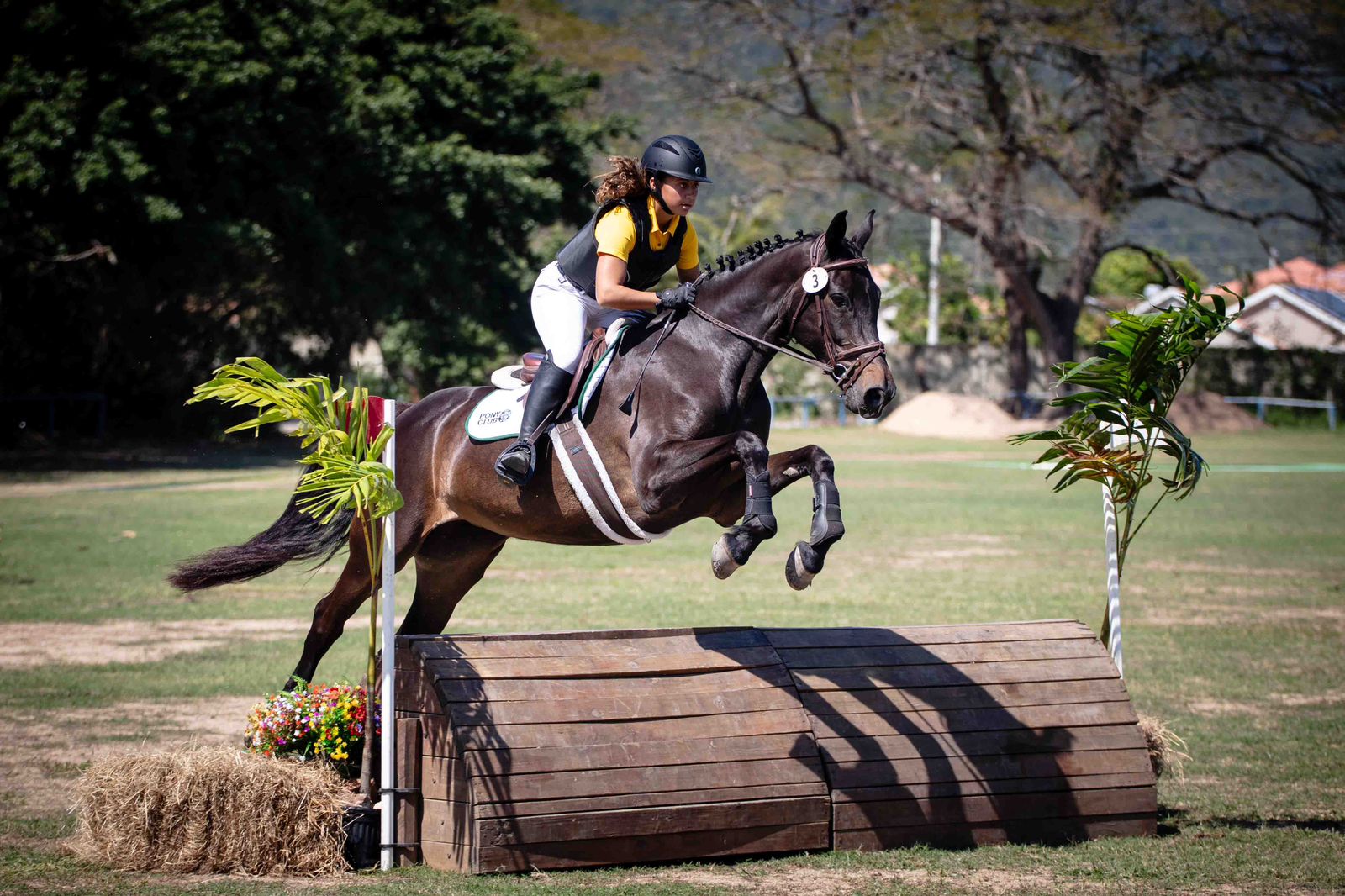
The Equestrian Federation of Jamaica (EFJ) has received significant international grant funding totalling US$65,000, reinforcing the country’s equestrian development and aiding recovery efforts following Hurricane Melissa.
The investment underscores growing global confidence in Jamaica’s equestrian programme and highlights the strength of partnerships between the EFJ and the Fédération Équestre Internationale (FEI), the sport’s international governing body.
The funding forms part of a broader two-year investment programme spanning 2025–2026, supporting athlete training, competition opportunities, hurricane relief for stables and horses, and emergency assistance initiated by FEI President Ingmar DeVos to help restore national competitions affected by the hurricane.
EFJ President Heidi Lalor, now serving her second term, welcomed the international support and emphasised its importance to the sport’s future in Jamaica.
“The partnership and funds mean a lot to us. We stand in solidarity with the FEI and our members, and our benefactors have been supported with grants totalling US$65,000. These investments ultimately support sport and horses in Jamaica. We give a heartfelt thank you to the FEI and their partners; this means everything to us and our sport,” Lalor said.
She added that strengthened governance within the EFJ has been instrumental in securing these investments.
“Strengthened governance has played a role aligned with National Federation training initiatives and results. By bringing training and competition back to the island, local riders avoid the added expense of travelling to foreign countries to compete,” she said. These events create opportunities for the next generation of riders to train, set goals and strengthen us long term. The more we stand in solidarity, the more needed support we will receive.”
International Recognition and Competition Success
Jamaica’s equestrian programme has drawn praise from global officials following the successful staging of the FEI Eventing World Challenge. Originally scheduled for November 7 to 9, 2025, the event was postponed due to Hurricane Melissa but was successfully held at the Kingston Polo Club on February 8, 2026; a testament to the resilience of Jamaica’s equestrian community.
Lalor described the event as a milestone achievement.
“In one word, the event was flawless. We were told by the foreign Technical Delegate that our standard places Jamaica in comparison with sporting events in the US and Canada. I am deeply proud; we all should be. I want to congratulate the young winner, Isabelle Simandan, age 17, on her horse Amigo, who never gave up training to become a global competitor in Jamaica’s World Ranking Event.”
FEI Board Member and Eventing Committee Chair David O’Connor commended Jamaica’s efforts in a formal statement:
“I extend my heartfelt congratulations on the successful organisation of the FEI Eventing Challenge in Jamaica. We are thrilled to witness the remarkable growth of this initiative over the past years with participation from countries across the globe.”
Olympic Experience Driving Development
The investment also supports elite athlete training under the FEI Solidarity Programme, with Jamaica’s two-time Olympian Samantha Albert playing a key leadership role as coach for the 2025–2026 initiative.
Albert, who has represented Jamaica at the Olympic Games, World Championships, and Pan American Games, expressed pride in the programme’s return to Jamaica.
“It gives me great pleasure to see Eventing back in Jamaica. My childhood memories were filled with incredible experiences competing in Jamaica against some of the best event riders in the world. Jamaica hosted the FEI World Eventing Challenge in 2023 with great success. I am honoured to be the coach for the 2025–2026 FEI Solidarity Fund and thank the EFJ and the FEI for their continued support.”
Strengthening the Future of Jamaican Equestrian Sport
The FEI partnership ensures that Solidarity Athlete training programmes and international competition opportunities remain accessible to Jamaican riders, reducing financial barriers while strengthening the country’s competitive standing globally.
Despite the challenges posed by Hurricane Melissa, the international equestrian community rallied behind Jamaica, providing emergency funding and support that enabled competitions and training programmes to resume.
With continued international investment and strong local leadership, the EFJ remains confident in its mission to develop Jamaica’s equestrian sport and create sustainable opportunities for riders, horses, and the broader sporting community.