
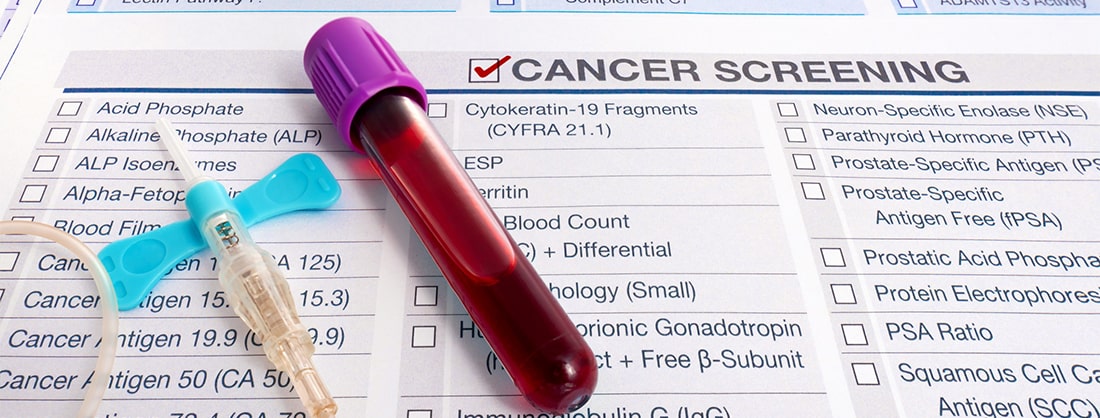
As Jamaica observes International Women's Day, the National Health Fund (NHF) is encouraging women to take advantage of screening and treatment support available through the NHFCard, particularly for breast and cervical cancer — two of the leading causes of cancer-related deaths among Jamaican women.
Chief Executive Officer of the NHF, Everton Anderson, said this year’s International Women’s Day theme, ‘Give to Gain’ is a timely reminder to women that proactive health decisions can be lifesaving. “Jamaican women are the backbone of our families, workplaces and communities,” he said. “We want every woman to know that her health matters. Don’t wait for symptoms. Use the support available through the NHFCard to get screened, take your medication and protect your future.”
Through the NHFCard, women aged 40 and over can access a $3,000 annual subsidy for mammograms, a specialised X-ray capable of detecting breast cancer years before symptoms appear. Women aged 21 to 64 can also receive a $1,300 subsidy for Pap smears every three years, or annually for those considered high-risk. These screenings play a critical role in identifying early signs of disease before cancer develops or spreads.
For women already diagnosed with breast cancer, the NHF also provides a $12,500 subsidy for breast cancer receptor studies, laboratory tests that help doctors determine the most effective treatment approach.
Beyond screening, the NHFCard also provides a vital financial bridge to pharmacy treatment. Cancer therapy can be costly, and the Fund has expanded its support to help reduce that burden. In 2025, the NHFCard began covering 12 new active pharmaceutical ingredients used in cancer treatment. Women diagnosed with cervical cancer, for example, can now receive subsidies of up to $96,000 per injection for high-cost medications such as Bevacizumab.
In addition to these women-focused benefits, the NHFCard provides subsidies for medications, medical supplies and diagnostic tests used to manage 24 chronic illnesses, including diabetes, hypertension and asthma.
Data from the NHF shows that thousands of Jamaican women are already relying on the programme to support their healthcare needs. Between February 2025 and January 2026, 191,957 women were active NHFCard holders, reflecting significant uptake across multiple age groups.
The largest share of female cardholders was women 65 years and older (81,658), followed by those 55–64 years (52,367) and 45–54 years (33,031). These are the age groups that face increased risk for several chronic conditions. However, younger women are also accessing the programme, including 14,903 cardholders aged 35–44, 6,145 from 25–34, and nearly 4,000 women under 25.
The NHF is encouraging all women who qualify for these benefits to apply for the NHF Card. The application form may be downloaded from the NHF website.