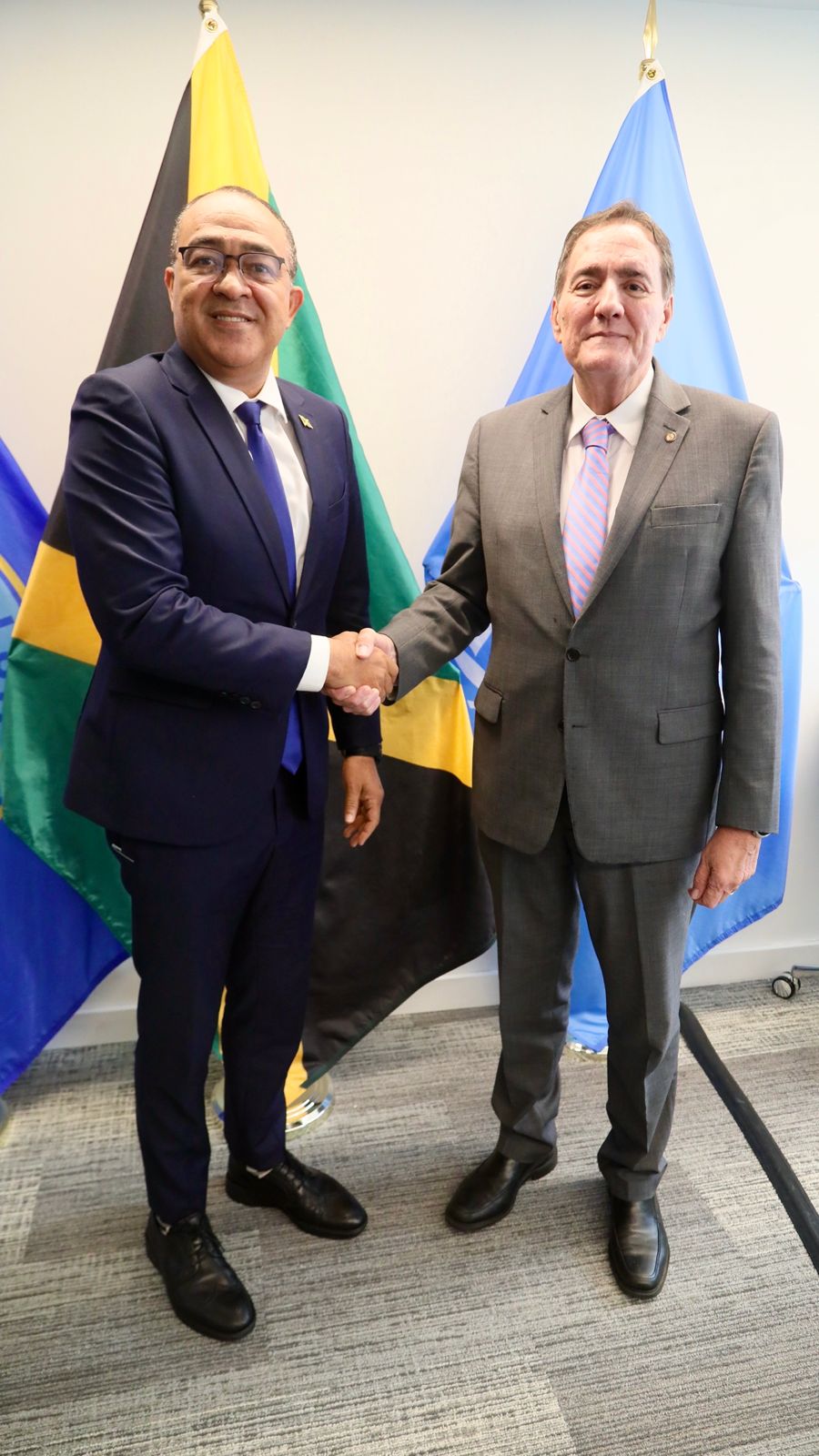
Jamaica has commended the Pan-American Health Organisation’s (PAHO’s) development of a Strategy and Action Plan to decrease the burden of sepsis for the period 2025-2029.

Jamaica has commended the Pan-American Health Organisation’s (PAHO’s) development of a Strategy and Action Plan to decrease the burden of sepsis for the period 2025-2029.
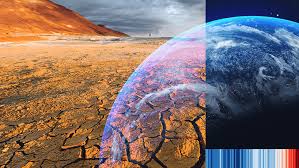
Jamaica is implementing robust strategies to tackle the growing public health concerns sparked by climate change.
Health Sector Action on Climate Change has intensified over the last five years with the introduction of the country’s climate change policy framework in 2015. Since then, more critical actions continue to take shape.
“In 2021, we conducted a vulnerability and Adaptation (V&A) exercise for three hazards for the Health Sector. We are now in the process for the adoption of tools for enhanced air-quality monitoring commencing with healthcare facilities. We have reached the final stages of developing a Climate-Smart Policy for the public health system based on the Smart Health Care Facilities in the Caribbean Project model policy for low carbon operations of health facilities,” explained Dr. the Hon. Christopher Tufton, Minister of Health and Wellness.
The Minister was speaking at the 76th Session of the Regional Committee of World Health Organisation in Washington D.C. on Monday, September 30.
The Smart Health Care Facilities in the Caribbean Project, implemented with the oversight of the Pan-American Health Organisation (PAHO), saw the modernising of health facilities to reduce vulnerability in disasters and to lessen their environmental impact.
Among the plans detailed by the Minister are also efforts to implement a heat-health warning system for the Caribbean. Jamaica, with the support of the Pan-American Health Organisation (PAHO), is also advanced in finalising its Health National Adaptation Plan (H-NAP) to mitigate climate impacts through health system resilience.
The H-NAP, which follows a consultation process with assessment of vulnerabilities and monitoring framework, will provide key recommendations to guide Jamaica in building a sustainable, climate-resilient health system.
Jamaica formalised its commitment to health sector action on climate change in 2019 at the 26th Conference of the Parties to the United Nations Framework Convention of Climate Change (UNFCCC COP) to attain climate-resilient health systems. The island is also a signatory to the Alliance for Transformative Action on Climate Change and Health (ATACH).
Jamaicans are being urged to make use of the mental health services in the public health system to reduce the risk of suicides.
The call comes from Senior Clinical Psychologist at the Western Regional Health Authority (WRHA), Dr Georgia Rose, as the country marks World Suicide Prevention Day 2024 on Tuesday, September 10.
Suicide rates in Jamaica reflect an average annual incidence of two per 100,000 people over a five to 10-year period.
“People can feel very overwhelmed or believe that they do not have the internal capacities to cope with whatever is stressing them at that moment in time,” she said.
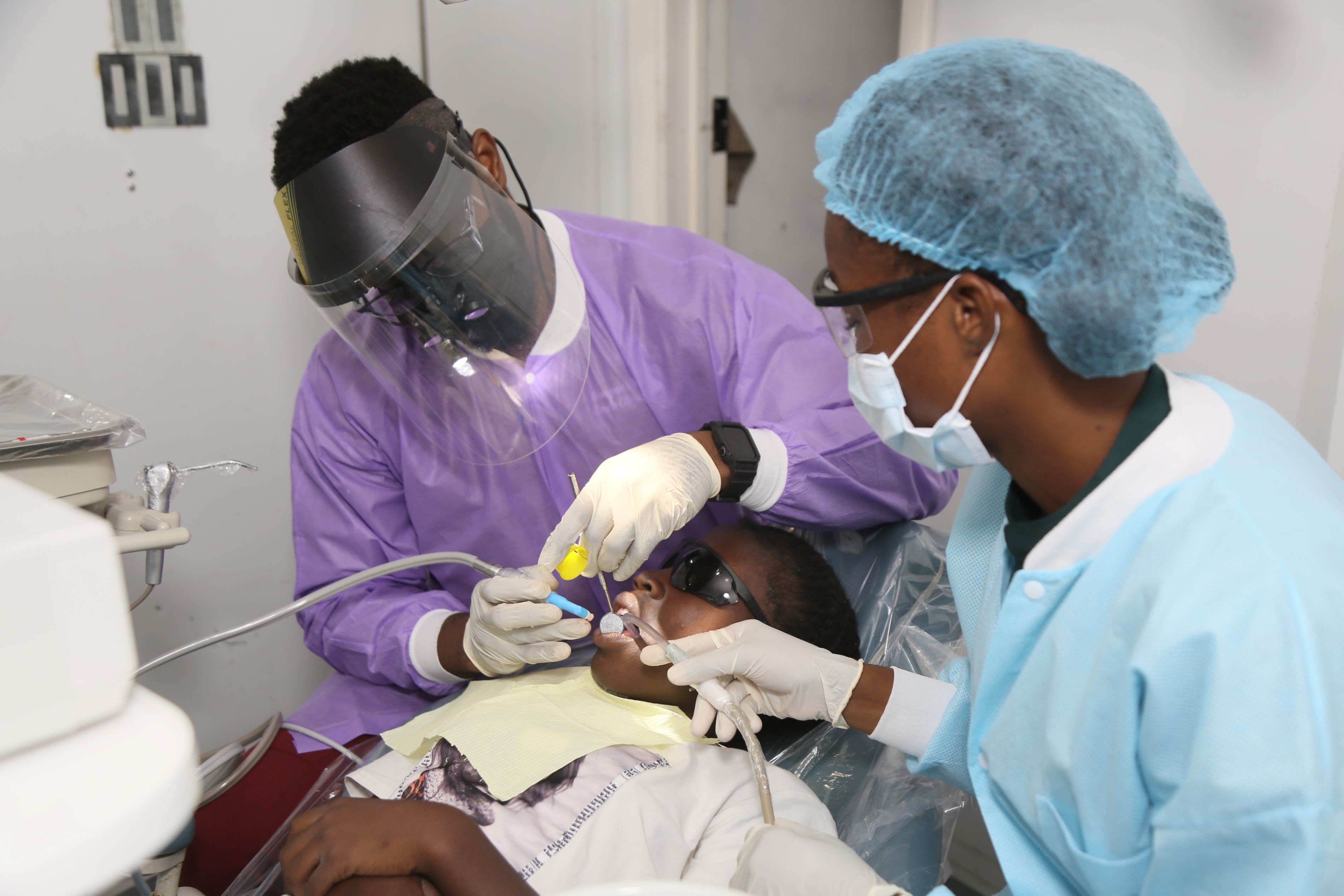
In continuation of its annual back-to-school initiative, Supreme Ventures Foundation (SVF) has once again partnered with Dent-Care Smile Clinic to deliver essential dental care to over 100 wards of the state.
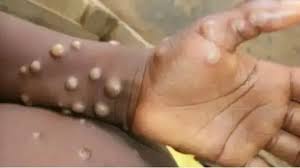
The Ministry of Health & Wellness has noted the declaration of Mpox as a public health emergency of international concern by the World Health Organization (WHO) and wishes to alert the country that while there are presently no cases of Mpox reported, members of the public should take the necessary precautions to safeguard themselves from this disease.